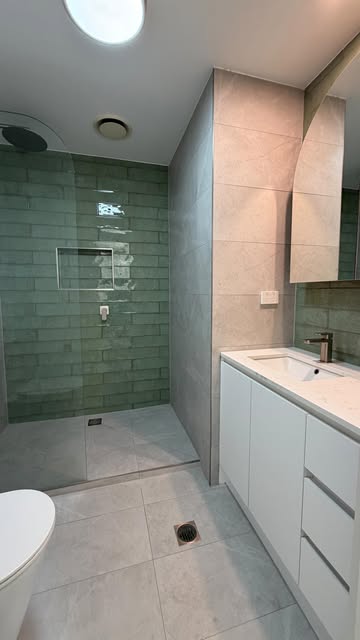
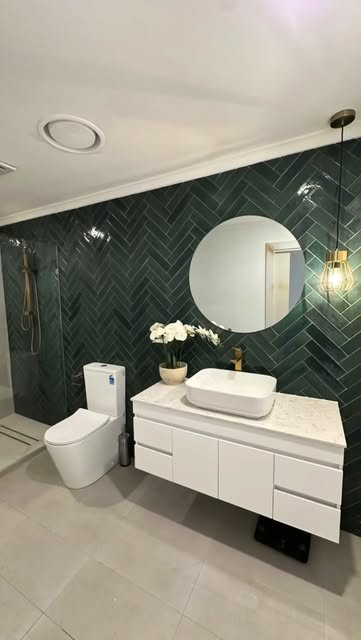
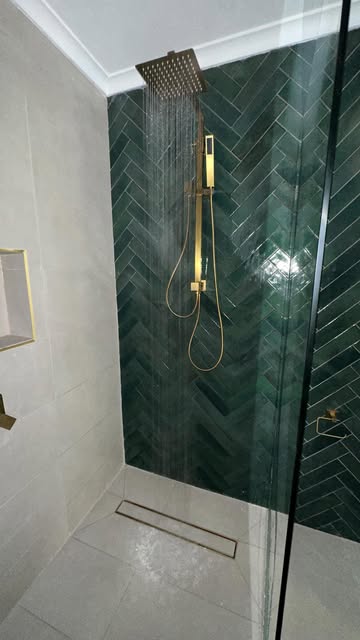
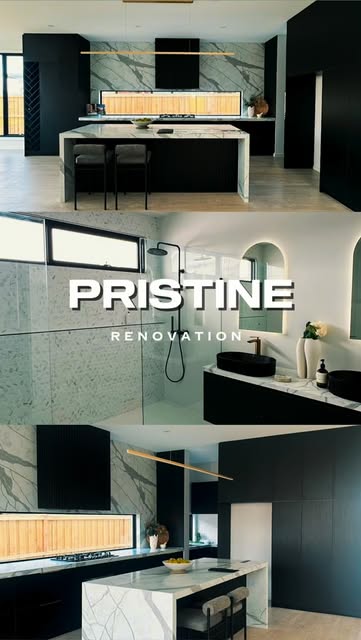
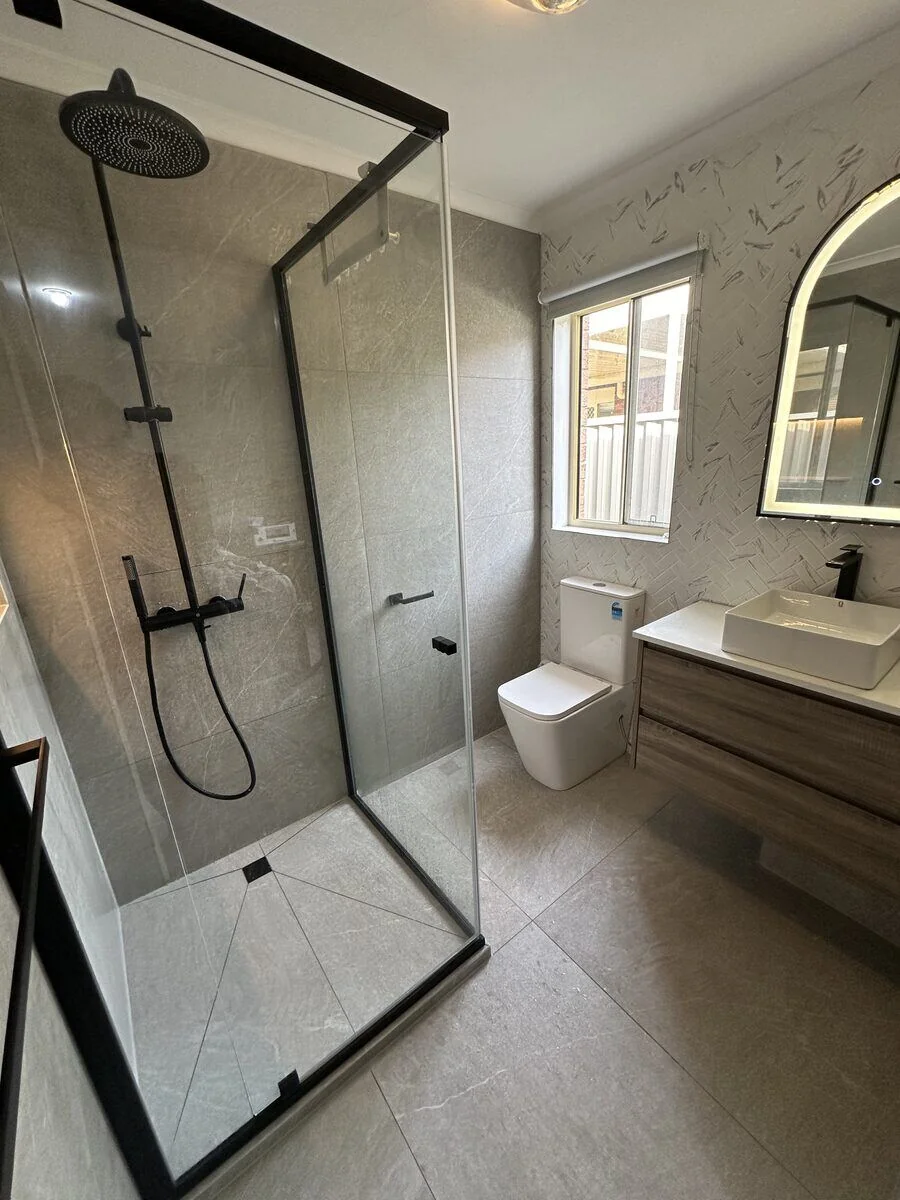
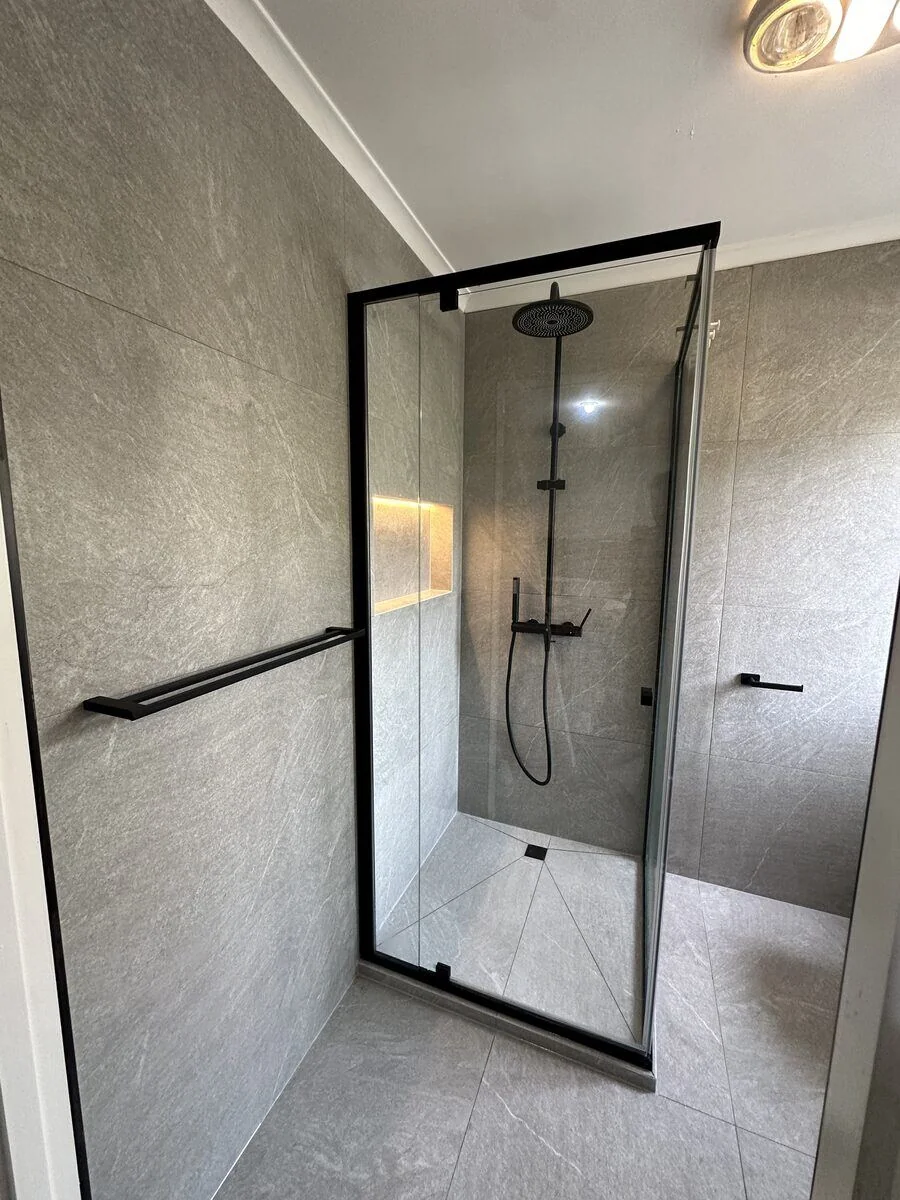
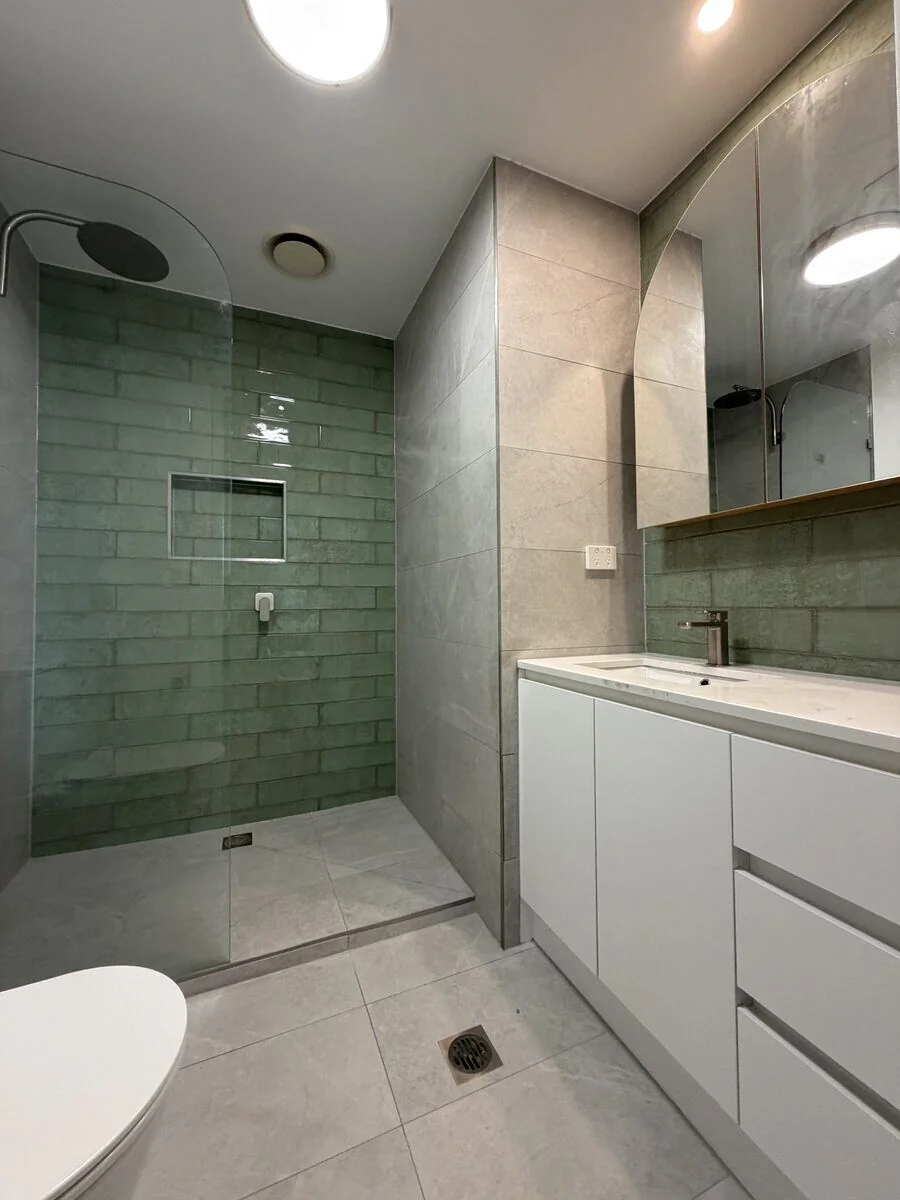
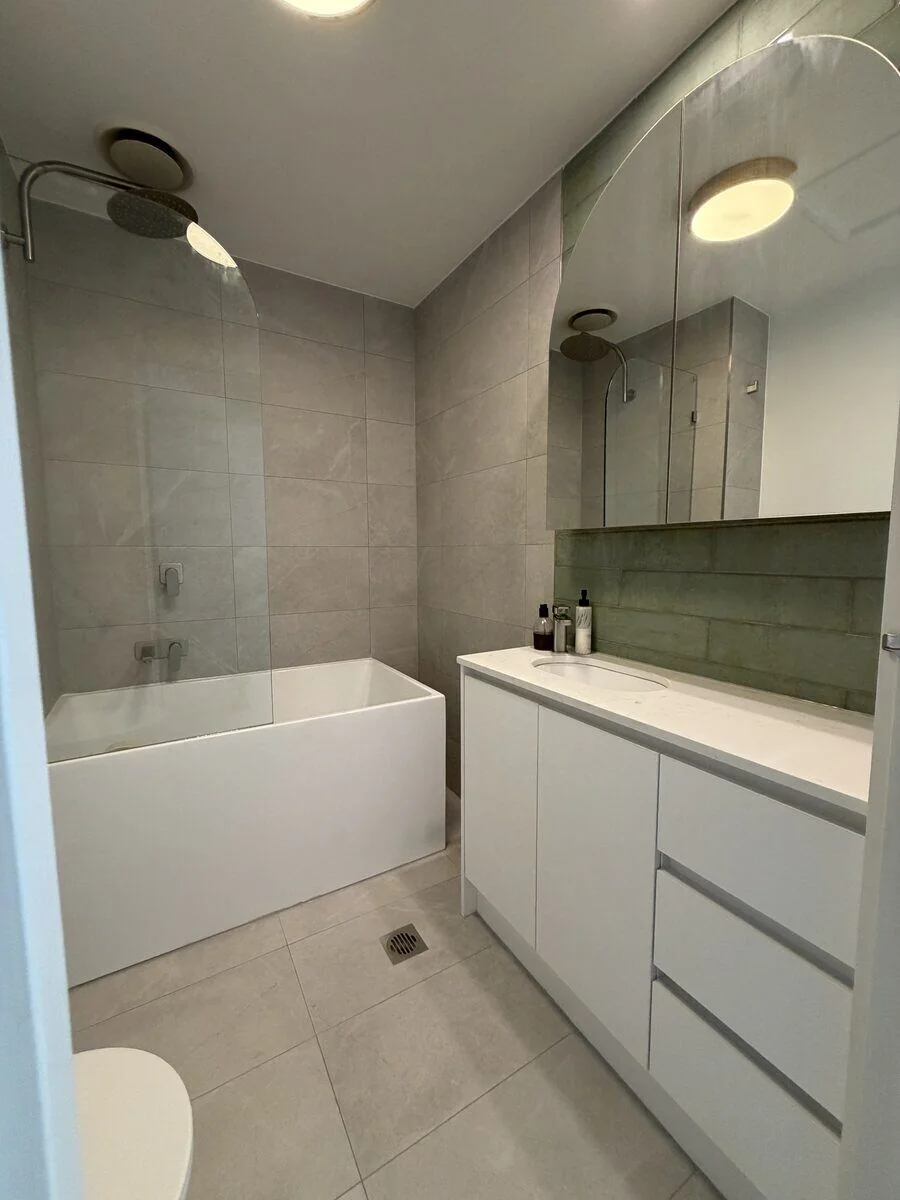
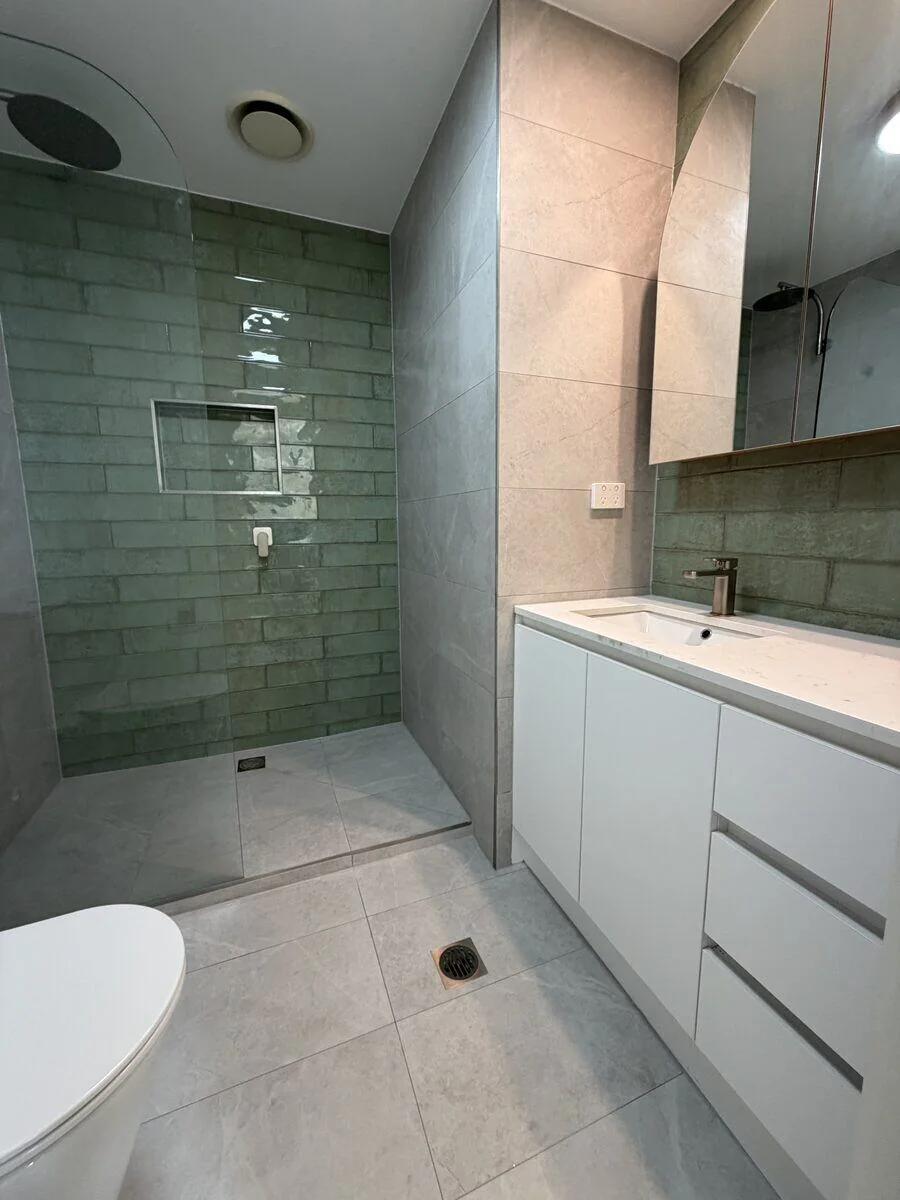
Most Melbourne bathroom renovations run two to four weeks on site once materials are in and the room is empty. That range is a programme, not a promise printed on a flyer. Demolition is quick. Waterproofing is not, because membranes need cure time you cannot rush with a heater and hope. Tiling and grout add further dry days. Fit-off only starts when the room is truly ready. Apartments with after-hours rules and houses that may sit in a heritage overlay stretch the calendar before a wall is opened. This guide walks the week-by-week sequence a homeowner actually lives through, and flags the delays that are structural rather than decorative.
A typical Melbourne programme
A straightforward family bathroom in a bungalow with parking and a second shower elsewhere in the house is the clean case: strip in days, set falls, membrane, wait, tile, wait, fit-off, handover. Two weeks is possible when nothing moves and the tiler is not sharing the week with a wet Melbourne cold snap. Three weeks is more honest for a full gut. Four weeks appears when you add a bath, a layout tweak, or large-format tiles that need a flatter substrate.
Lead time before day one is a separate clock. Vanities, screens and stone tops are not always sitting in a warehouse. A fixed-price quote after measure-up should say when the site starts, not only how many working days the wet trades need. If you only have one bathroom, plan the gap between strip-out and first shower as carefully as you plan the tile colour. A week without a working shower is a different household problem to a month.
Week by week: demo, membrane, tile, fit-off
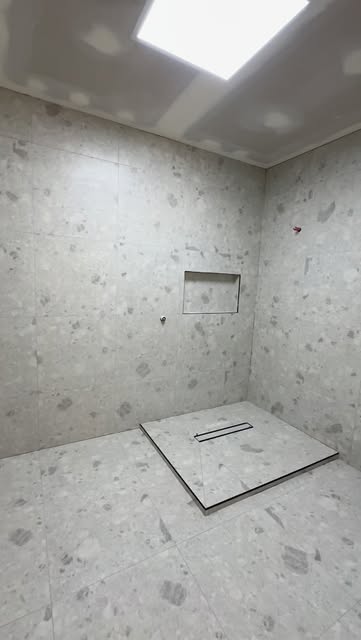
Week 1 — demolition and set-out. Protection goes down first: floors, stairs, and the path to the skip. The room is stripped to substrate. Plumbing is isolated. This is when hidden damage shows — soft particle board, rusted waste, no existing membrane, or a shower base sitting on rubble. Carpenters pack and set falls. Electrical points are moved if the new layout needs them. By the end of the week the room should look worse and be geometrically right.
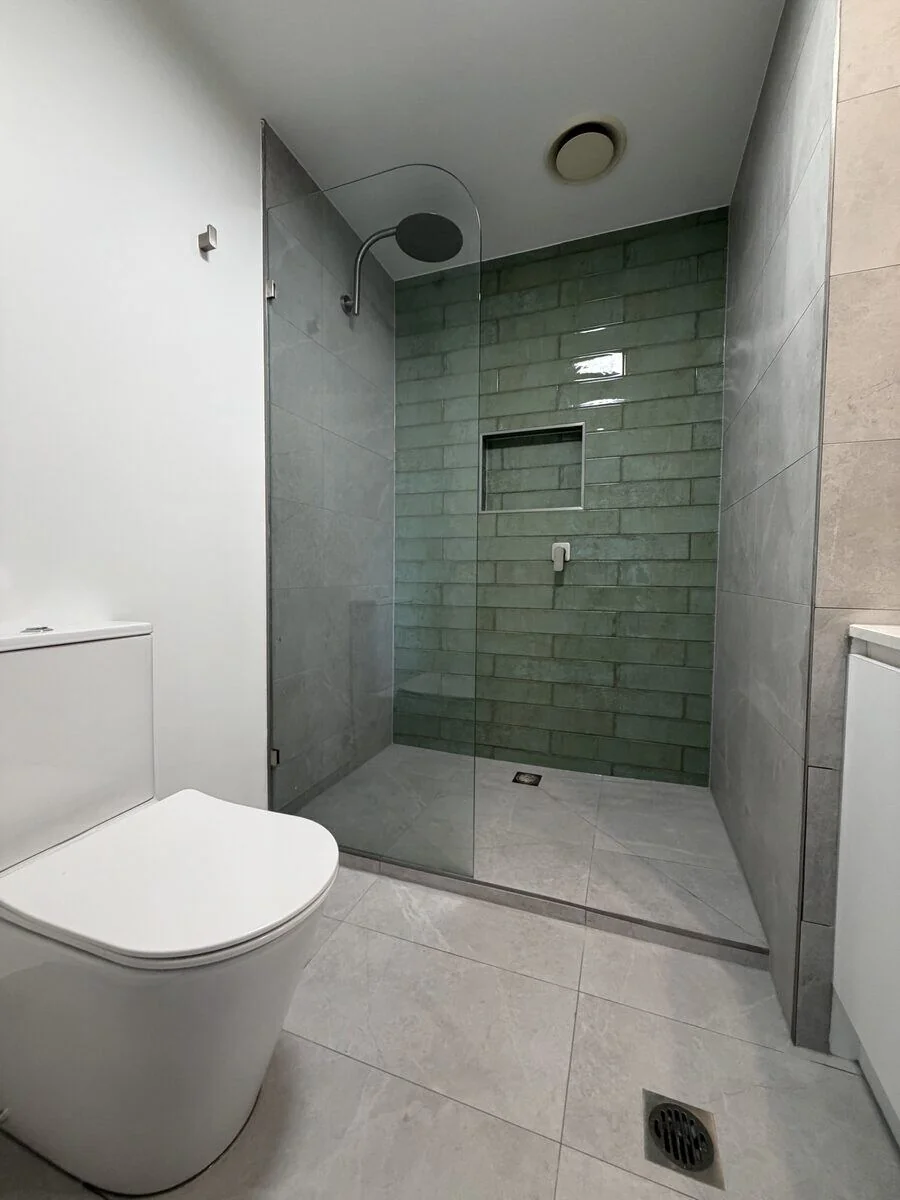
Week 2 — waterproofing and cure. The membrane is applied to the shower and other required wet zones under AS 3740. Junctions, penetrations and a hob or level-entry detail are the slow parts. Cure time is not a suggestion. Melbourne winter humidity lengthens it; a hot January week can shorten surface dry without changing the manufacturer’s minimum. Flood testing, where used, sits in this window. Tiling does not start because someone is bored on Thursday.
Week 3 — tiling. Floors first or walls first depends on the system and the falls. Niches are tiled as part of the wet area, not glued on later. Grout and silicone need their own dry time. Large-format work is slower because every lippage shows. If the screen template needs finished walls, the glazier is booked against this week, not hoped for on the last Friday.
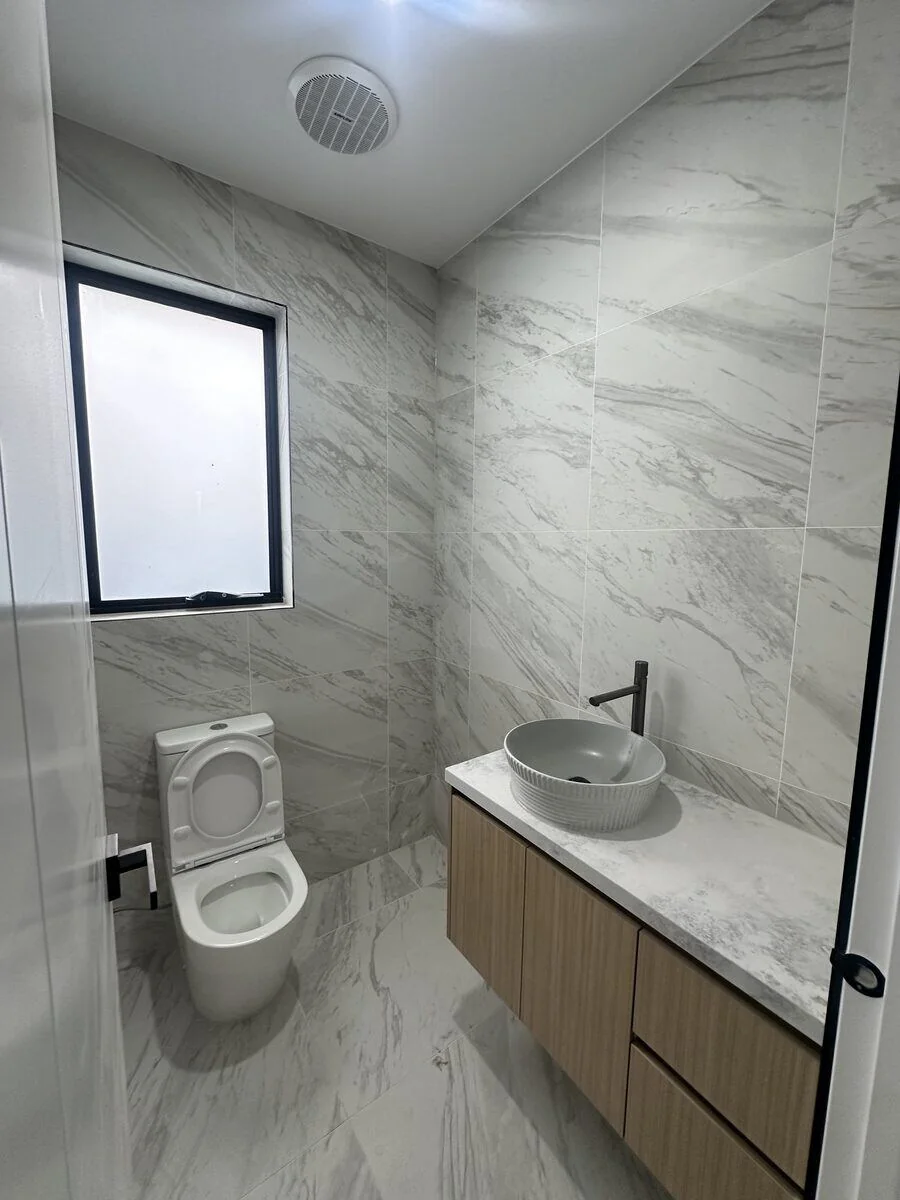
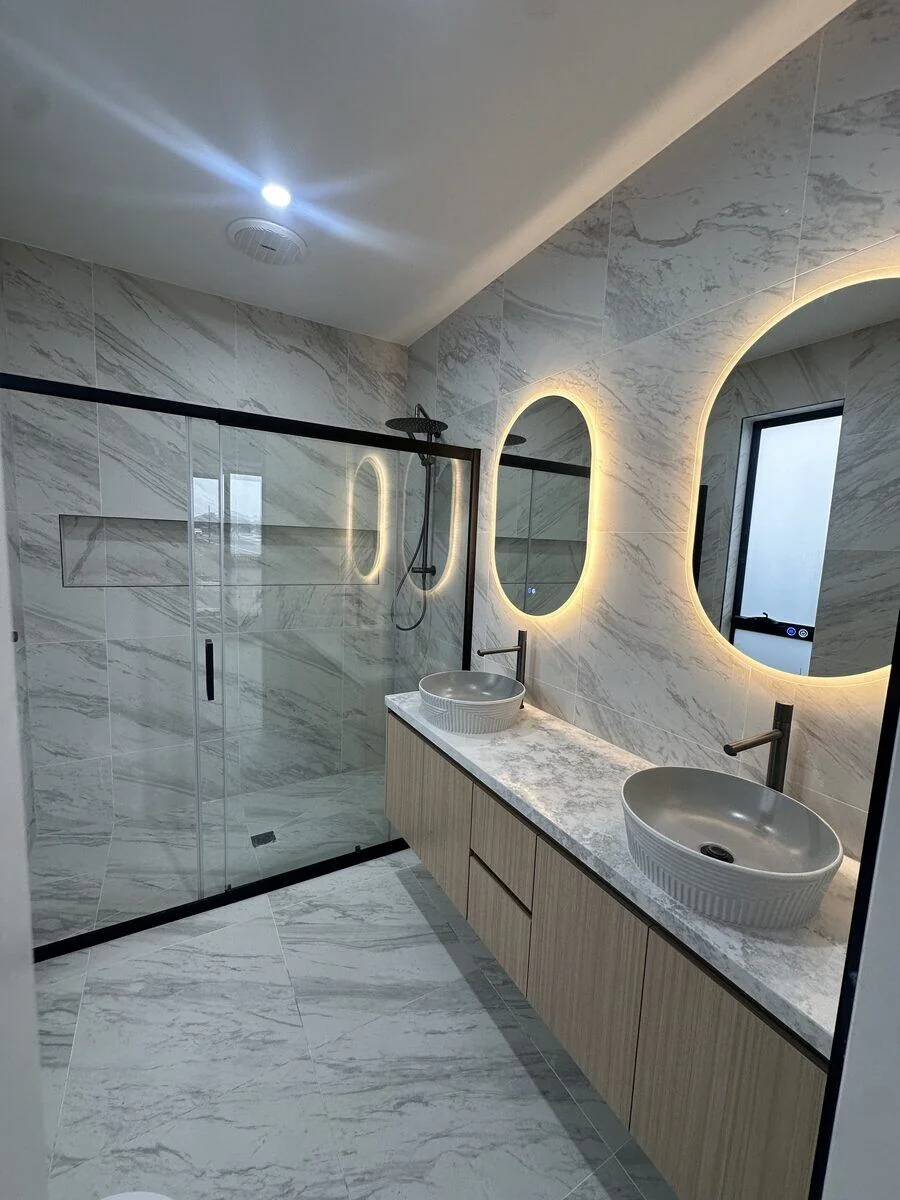
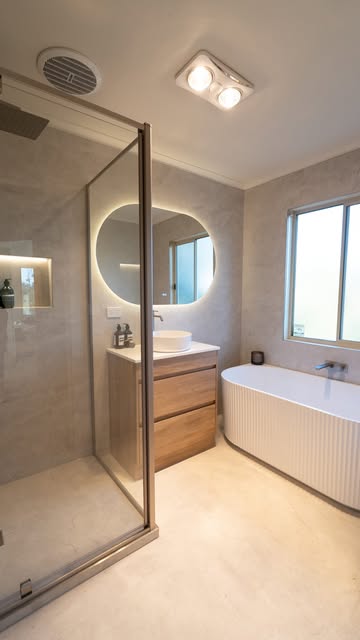
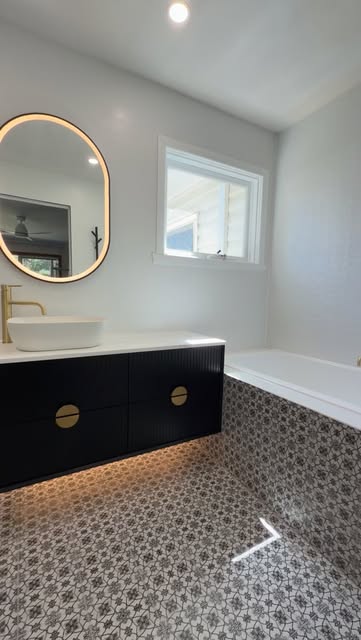
Week 4 — fit-off and handover. Vanity, tapware, toilet, screen, rails, mirrors, accessories. Plumber and electrician return. The room is cleaned to a standard you can put a towel in, not a builder’s broom-clean. Handover should include the waterproofing certificate and a clear list of what is complete. If grout is still chalky, you wait — you do not “use it gently”.
Apartment after-hours and stacked wet areas
Apartments do not follow bungalow hours. Many buildings limit noisy demolition to set windows, ban weekend grinders, or require lift bookings for waste. A two-day strip in a house can become four half-days in a walk-up. Waterproofing over a neighbour’s ceiling is also a different risk conversation: the membrane is protecting someone else’s living room, not only your tiles.
Stacks fix the toilet and many wastes. Moving them is rarely a one-afternoon variation. In pockets such as South Yarra, river-side apartments and terrace conversions share those constraints. Body corporate approval, if required, sits on the calendar before week 1, not during it. Ask for the building rules at quote so the programme is built from the hours you actually have.
Heritage and other delays that are not tiling
Heritage overlays and graded buildings are common in inner Melbourne. They do not automatically stop an internal bathroom, but they can add a planning step if you change windows, vents, or anything visible from the street. That check happens at quote, against the address and the relevant council map. No article should invent an overlay number for your title.
In Hawthorn terraces the delay is often physical rather than statutory: long carries, shared walls, and bathrooms under stairs that need temporary support. Other genuine delays are joinery lead times, stone templating, screen manufacture, and wet weather that stops a rear lean-to being opened. None of those are cured by working “a bit faster” on the membrane.
When you can shower again
The honest answer is after silicone and grout have cured and the screen is in — not the morning the last tile looks dry. If you have only one bathroom, book the start when you can use a gym, a neighbour, or a temporary setup, and keep the programme tight by locking fixtures before demolition. Daily updates stop the silence that makes a three-week job feel like six.
Pristine Renovations project-manages the sequence Melbourne-wide: measure-up, fixed-price quote, AS 3740 waterproofing, then a week-by-week site that a licensed, VBA-registered builder actually owns. Call 0416 394 240 if you want the calendar fitted to your house, not to a generic four-week cartoon.
Next step
Measure-up, then a fixed price
Photos help us prepare. The number comes after we have seen the room. Call 0416 394 240 or use the form — licensed, VBA registered, Melbourne-wide.