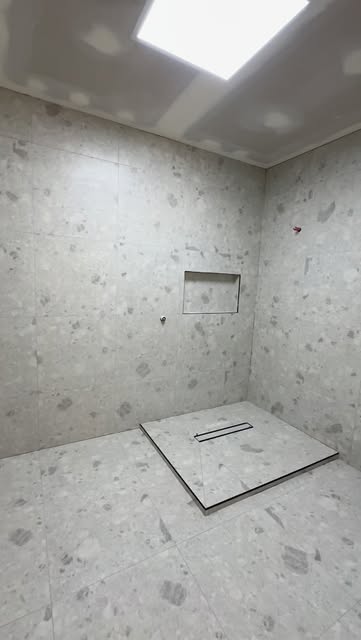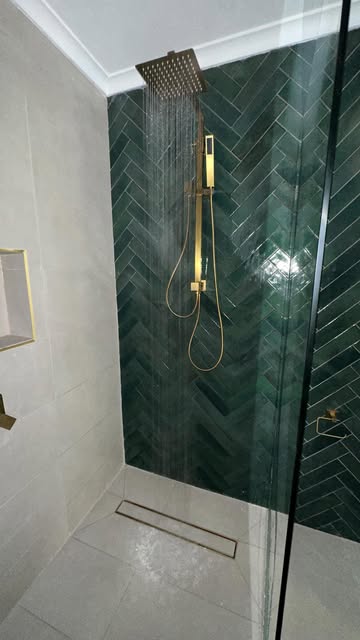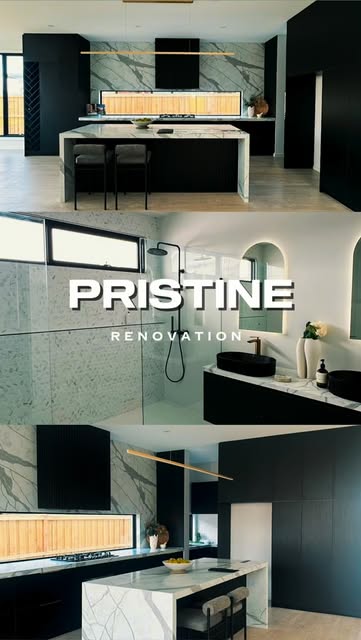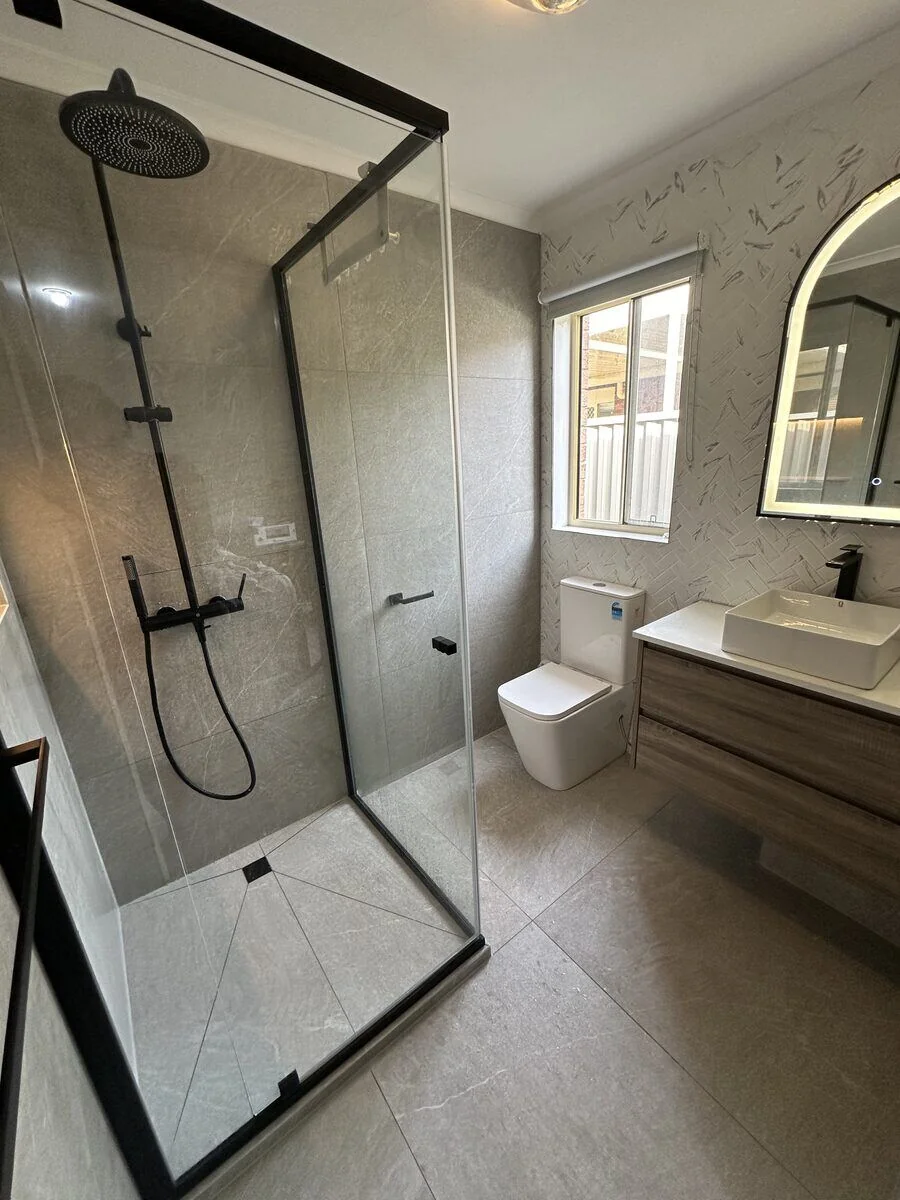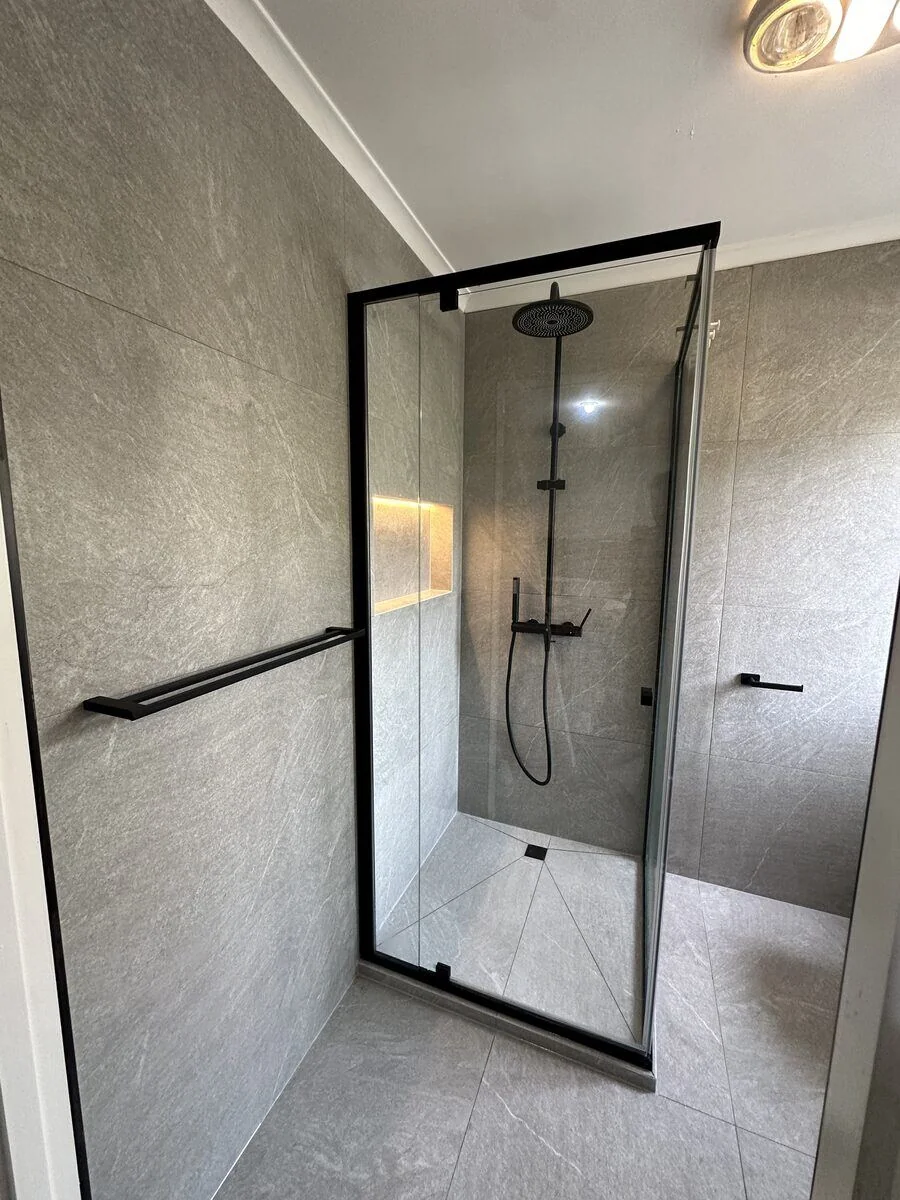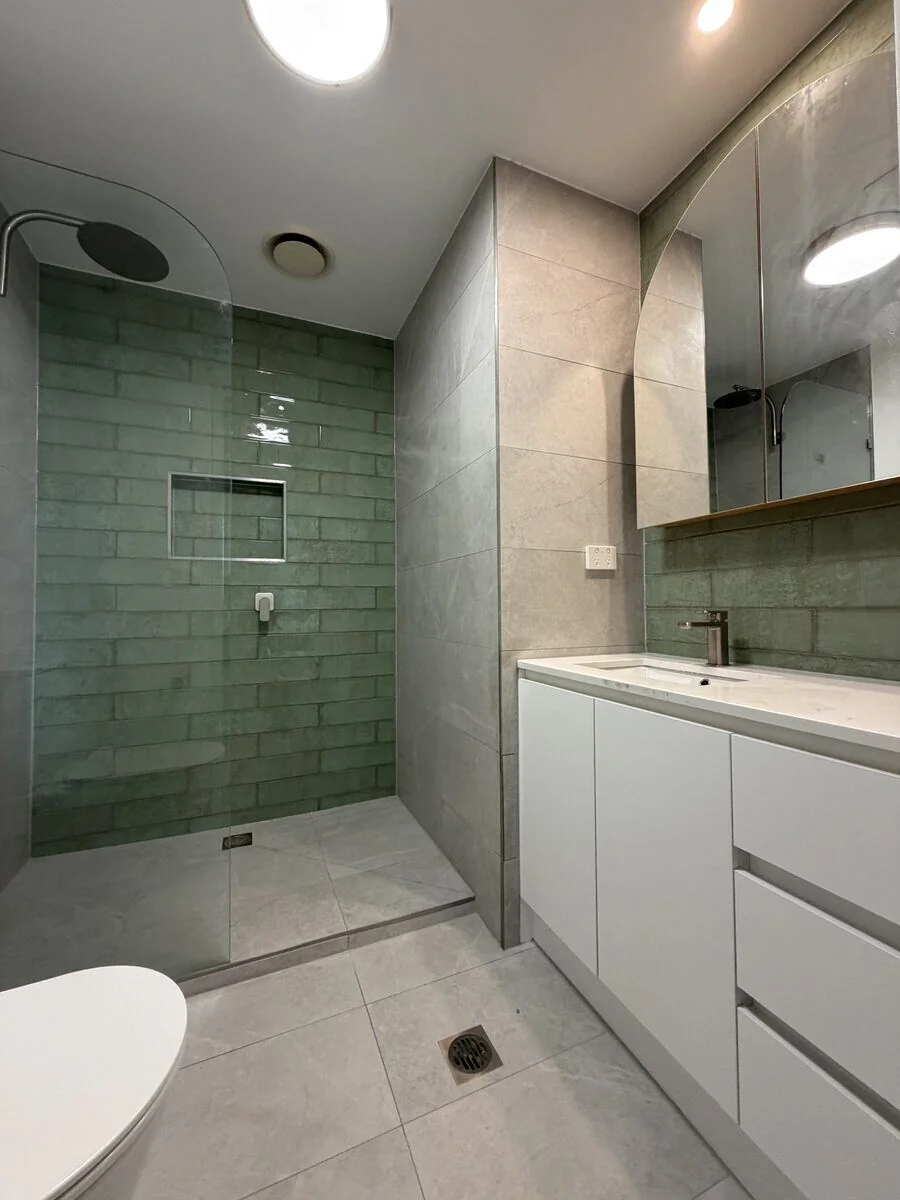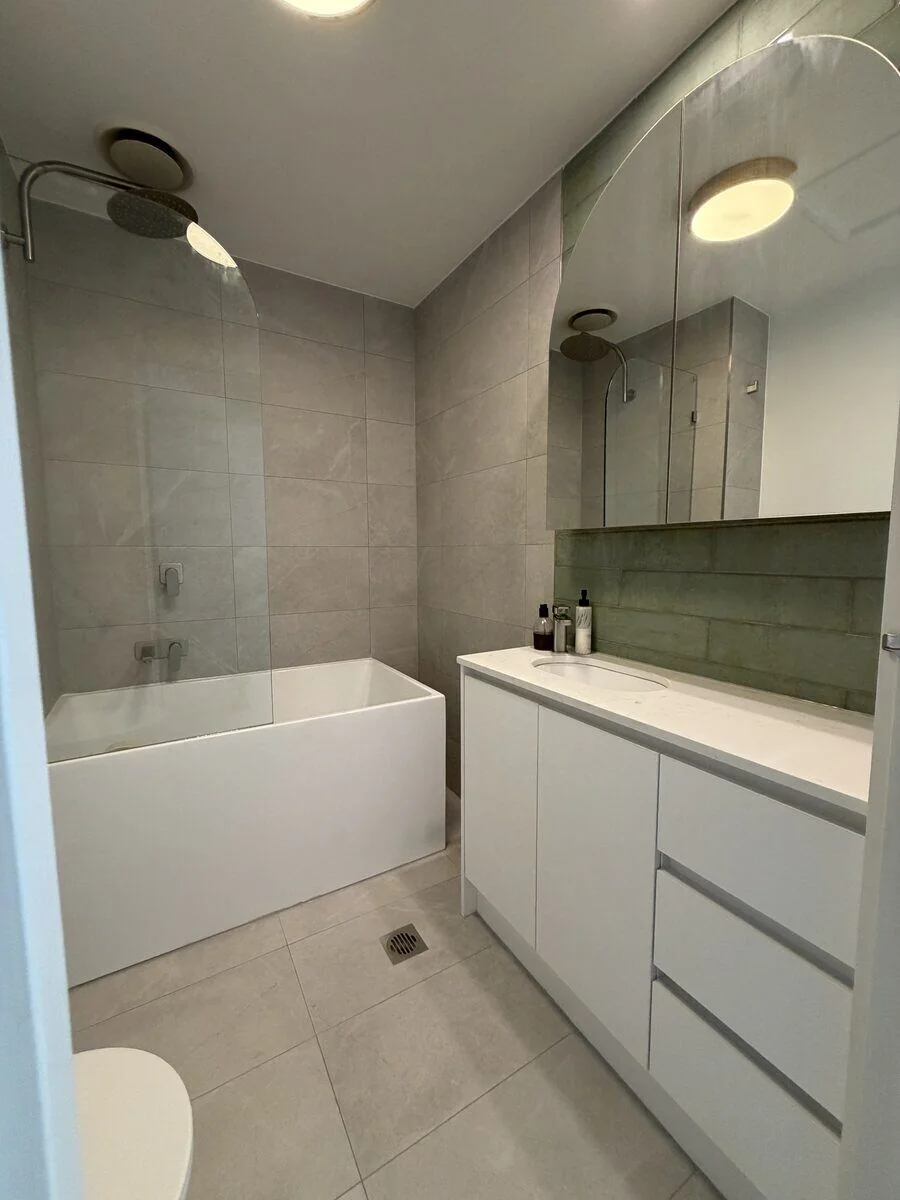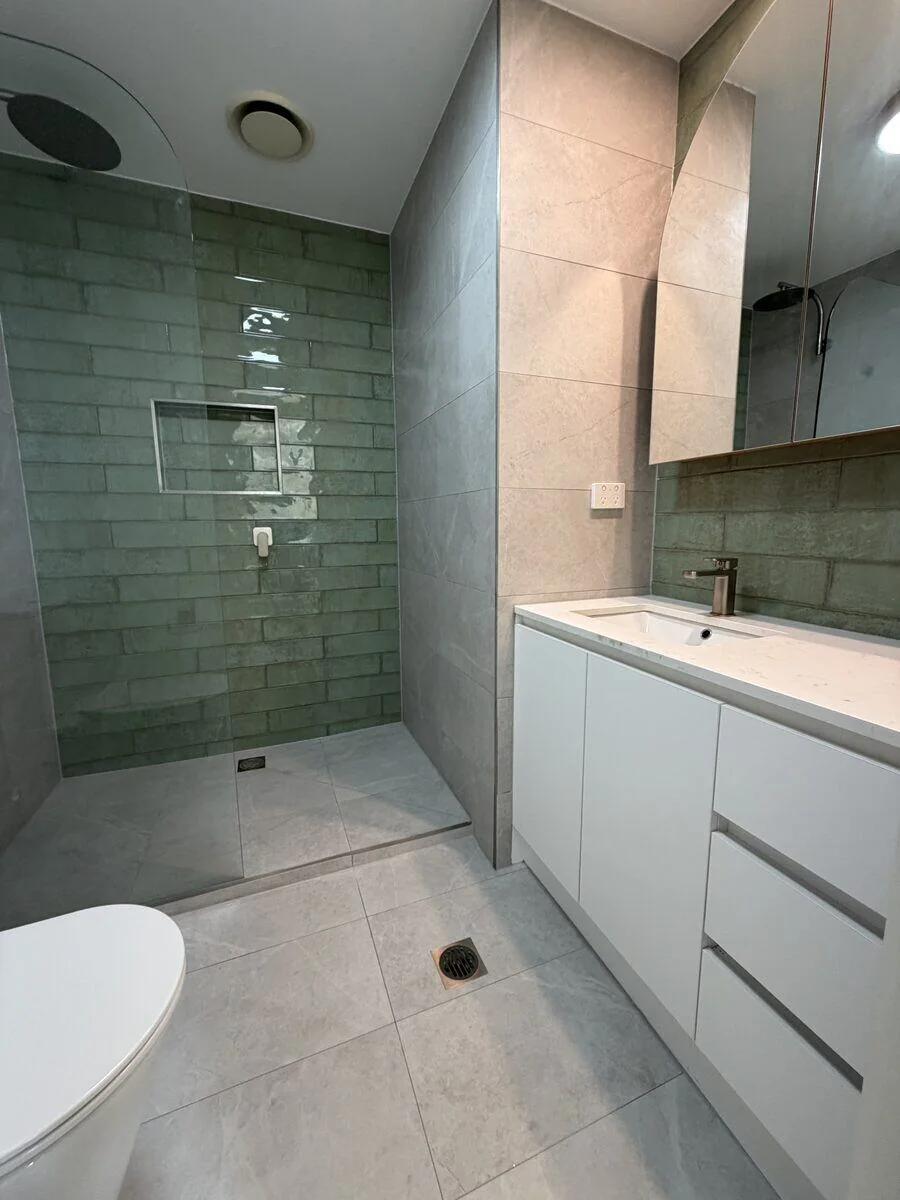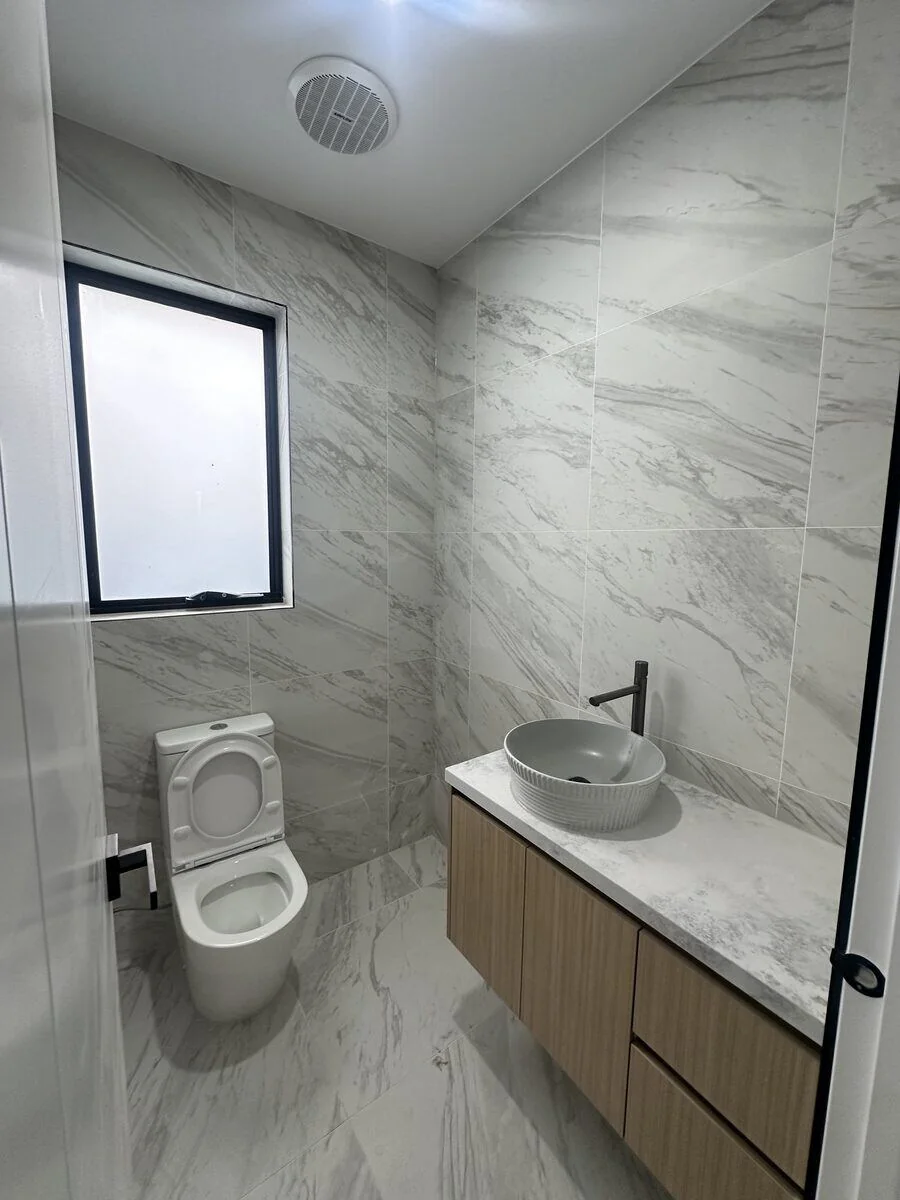
A fixed-price bathroom renovation is a scoped job with a number that does not drift because Tuesday ran long. It is not a guess from a photo, and it is not a promise that the house contains no hidden rot. The price is fixed after measure-up: the room has been seen, the wastes checked, the access walked, and the finishes agreed or allowed. Melbourne bathrooms still start from $14,000+ for essential work. The commercial question is what that number binds, what sits outside it as a variation, and why hourly labour feels cheaper until the third week. This article is about the contract, not the tile.
What “fixed price after measure-up” means
Measure-up is the visit where the room stops being a listing photo. Dimensions, falls, stack position, window, door swing, and the path for a skip are recorded. Only then can a builder price demolition, AS 3740 waterproofing, tiling, fit-off and project management as a package. The fixed price is the cost of that package. If you later change the vanity from the allowed range to a stone double bowl, the package changed.
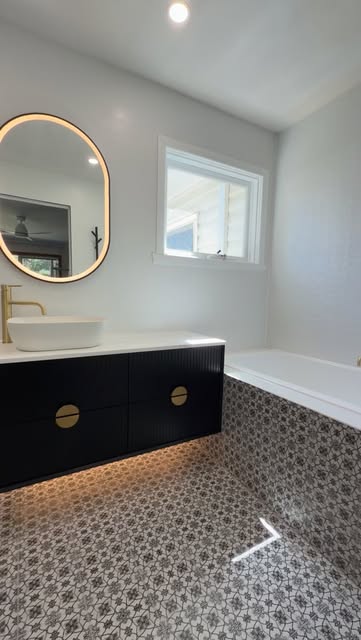
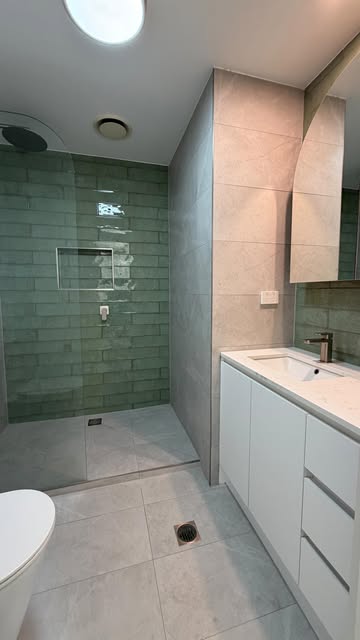
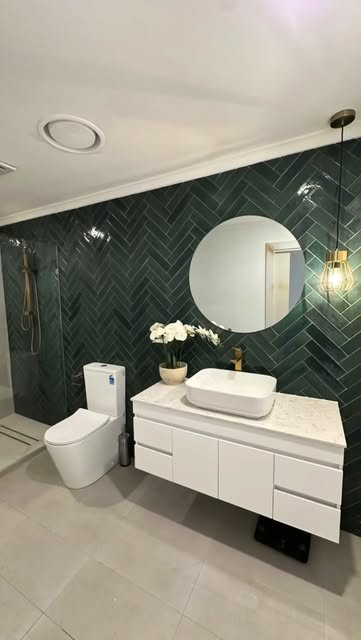
For bathroom renovations the live essential floor of $14,000+ is the bottom of that package thinking. Premium guts from around $25,000+ and a luxury spa brief from $50,000+ are still fixed once specified. The band is not a daily rate. You are buying a finished wet area, not eight hours of a tiler and a hope.
What a fixed bathroom price should include
A complete bathroom price names the work, not only the fixtures. If a line is missing, you do not have a cheaper builder — you have an incomplete scope.
- Protection, demolition and waste removal
- Set-downs, falls and AS 3740 waterproofing with a certificate
- Tiling to the agreed walls and floor, including niche if specified
- Plumbing and electrical fit-off for the agreed points
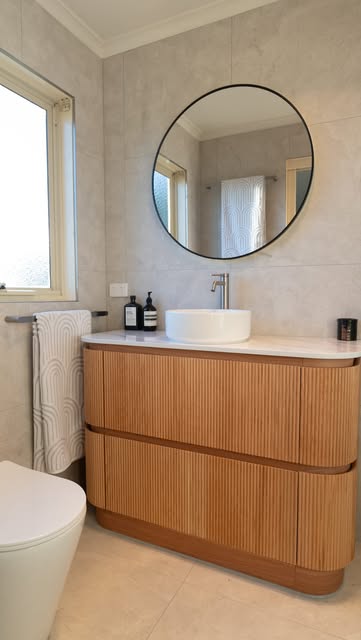
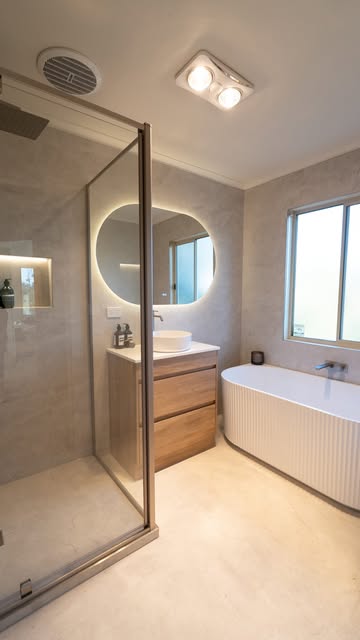
- Vanity, tapware, toilet, screen and accessories in the allowance or spec
- Project management, clean and handover documents
Exclusions should be written too. Permit fees, if a building permit is required, are often separate. Fixture upgrades above the allowance are separate. Structural repairs found after strip-out are separate — that is the honest variation path, not a loophole. Apartment after-hours or crane/lift bookings should be flagged in suburbs such as Richmond where terraces and walk-ups make access part of the job description.
What a variation is — and what it is not
A variation is a change to the agreed scope or a latent condition that could not be seen before demolition. Rotten joists under a shower that looked solid, an illegal waste stuffed in a cavity, or no membrane under 1990s tiles are latent conditions. You should be shown the problem and given a price before the extra work proceeds. That is still a professional job.
A variation is not “we underestimated tiling days”. It is not “the mixer you already chose is now more expensive for us”. It is not charging again for waterproofing that was always required. If the quote was thin, that is the builder’s commercial problem, not a client upgrade.
Client-led variations are the other half: moving a toilet after walls are open, swapping to large-format slabs, adding underfloor heating mid-membrane. Those are allowed. They should be priced and accepted in writing. Family bathrooms in Glen Iris often pick up a second towel rail or a nicer bath during the showroom visit — easy to vary if the membrane has not closed the wall yet, expensive if it has.
Why fixed price matters against hourly labour
Hourly work feels transparent because you see the clock. In a bathroom the clock is a poor friend. Cure days are not billable in a way that helps you, but they still occupy the house. A slow substrate surprise on an hourly job becomes an open invoice. A fixed price forces the estimator to look hard at access, falls and fixture lead times before you start.
Hourly can be fair for a tiny undefined repair. A full wet-area rebuild is defined work. Melbourne homeowners comparing a cheap day-rate to a $14,000+ fixed essential bathroom are usually comparing a labourer to a licensed sequence that includes the membrane certificate. The cheaper number often excludes the parts that leak.
Ask who is on site, who holds the VBA registration, and who signs the waterproofing certificate. A fixed price from a project-managed builder answers those with names. An hourly arrangement often answers them with a shrug.
How to compare two fixed quotes
Line up inclusions, allowances, programme and exclusions. Ignore the mood board until the membrane and waste are identical. The lowest fixed number with a $400 tile allowance is not cheaper than a higher number with a $1,200 allowance if you already know you want the second tile. Check who holds the waste account, who books the glazier, and whether daily updates are included or treated as a favour. Those are process lines, but they decide whether the fixed price feels calm on week three.
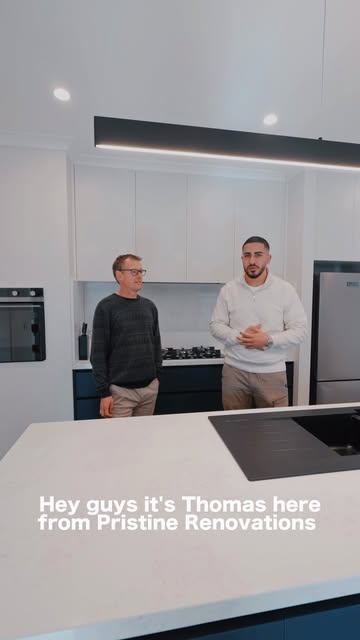
Pristine Renovations issues a fixed-price bathroom quote after measure-up, then project-manages the job Melbourne-wide. Licensed, insured, VBA registered, AS 3740 on wet areas. Call 0416 394 240 if you want the number to mean the room you walked, not a rate that grows with every extra hour.
Next step
Measure-up, then a fixed price
Photos help us prepare. The number comes after we have seen the room. Call 0416 394 240 or use the form — licensed, VBA registered, Melbourne-wide.