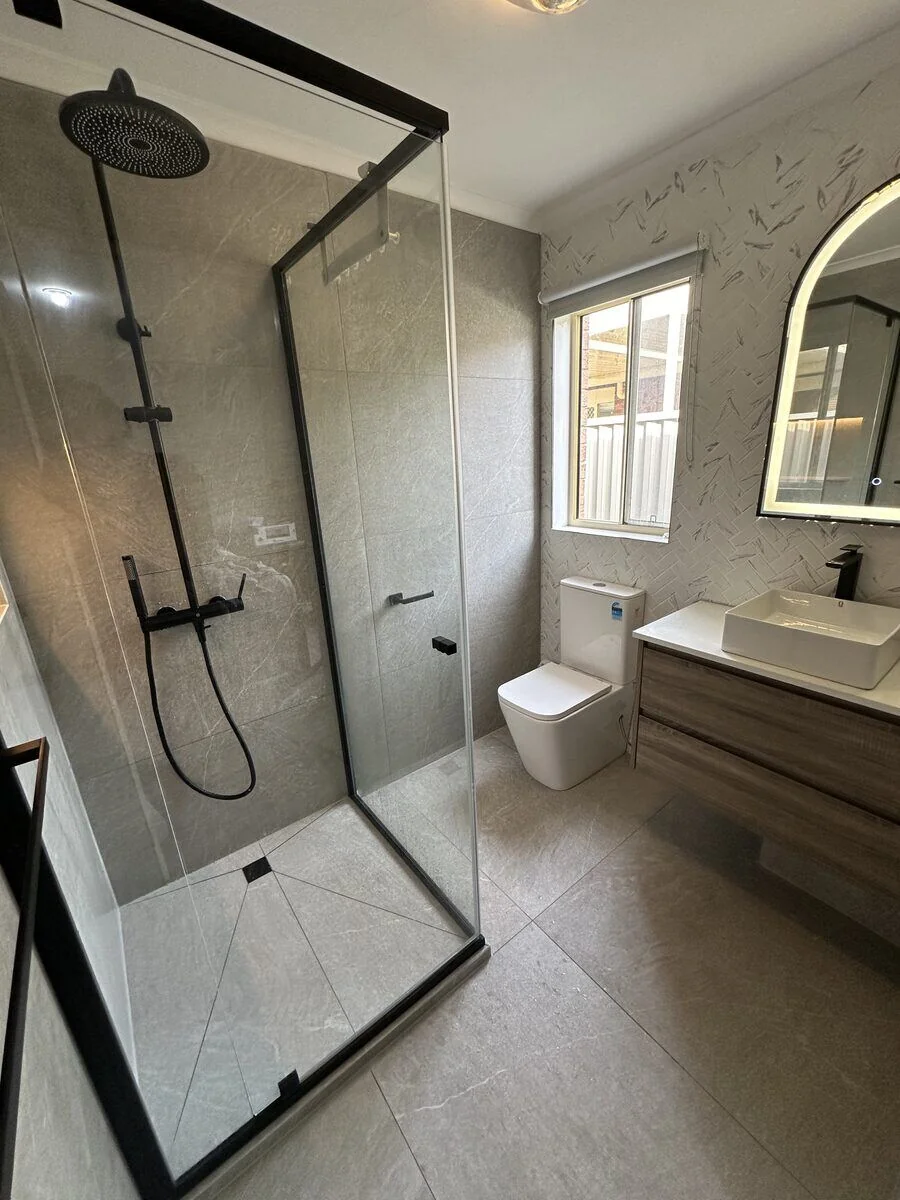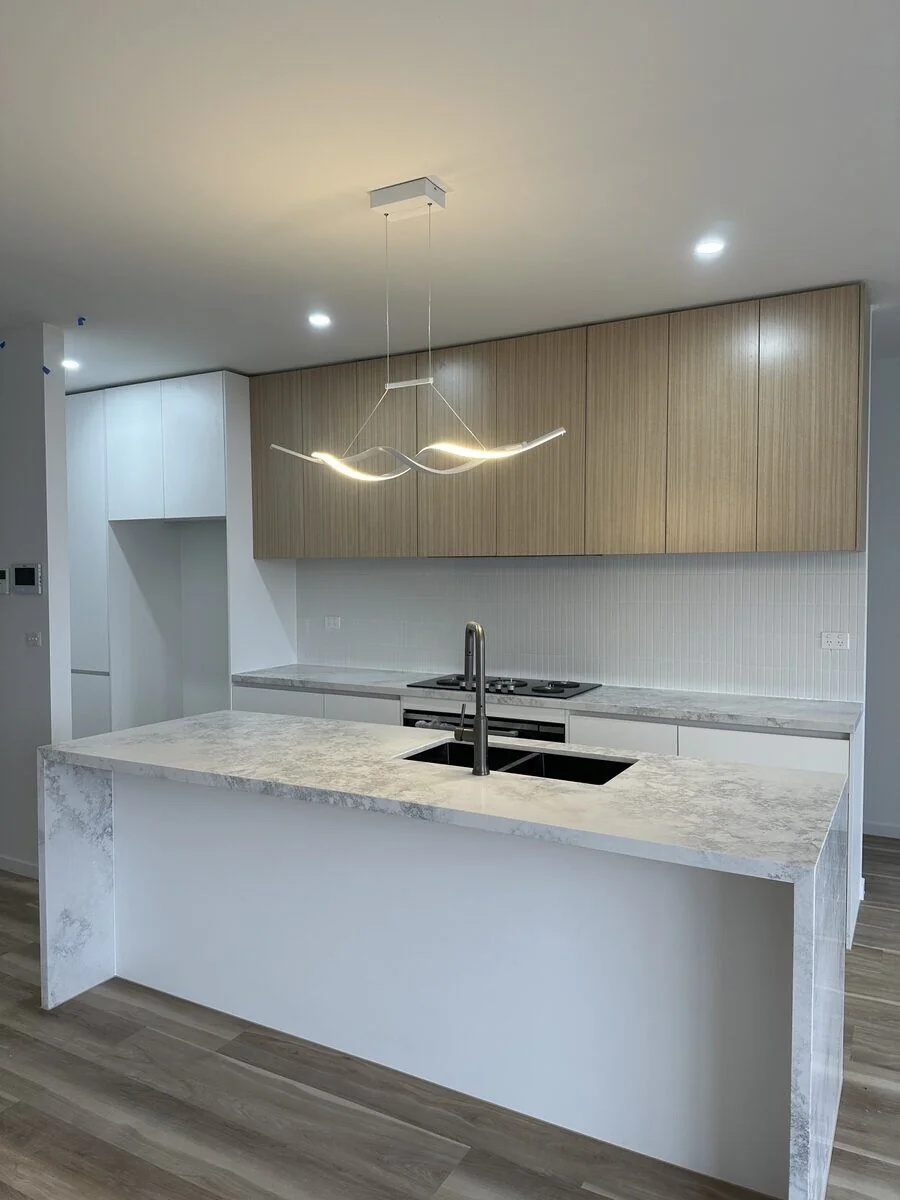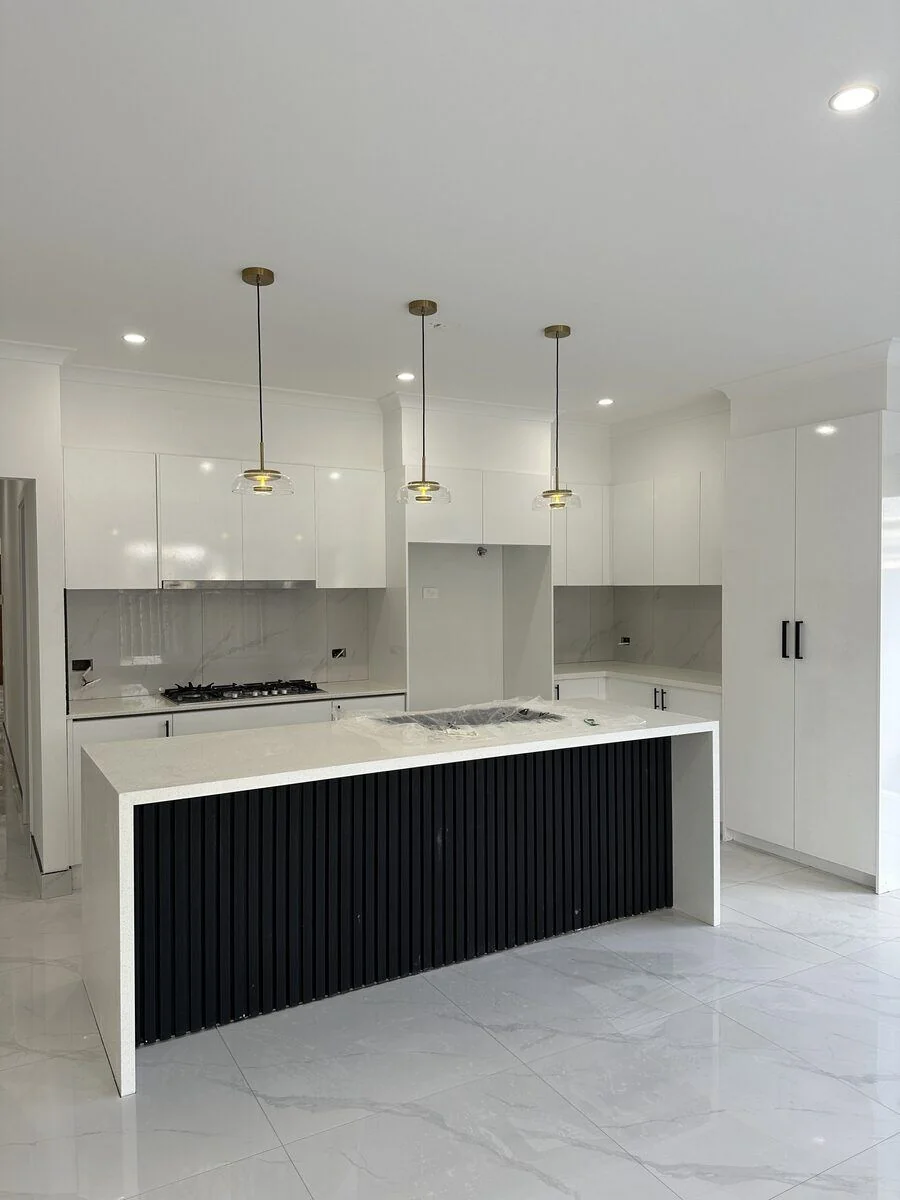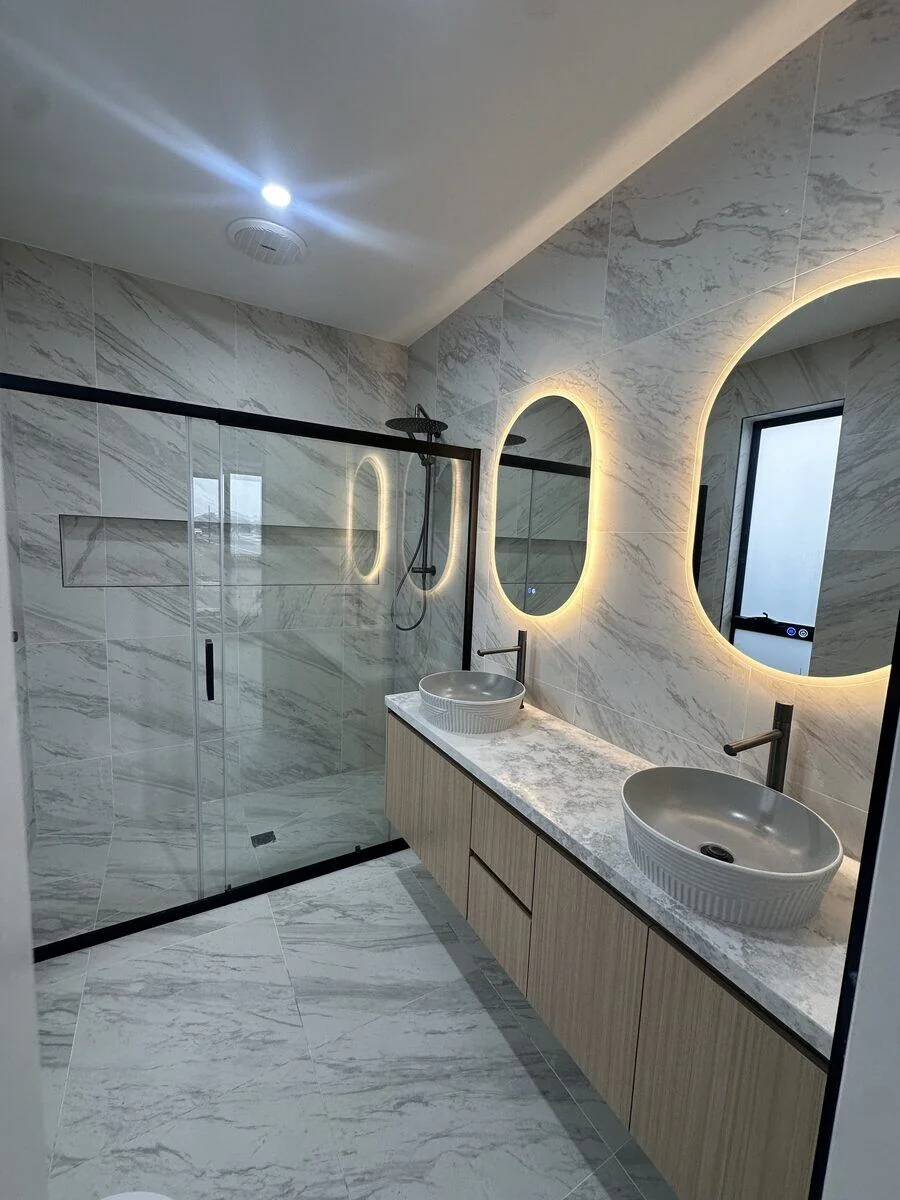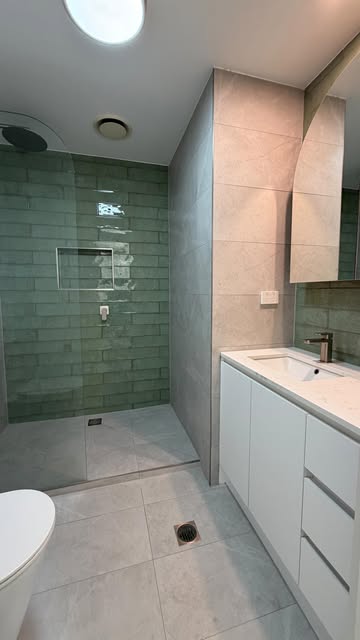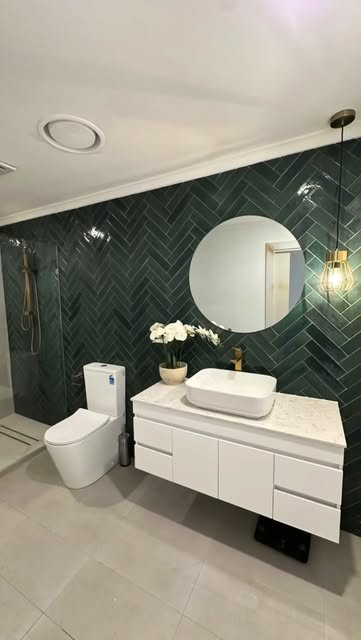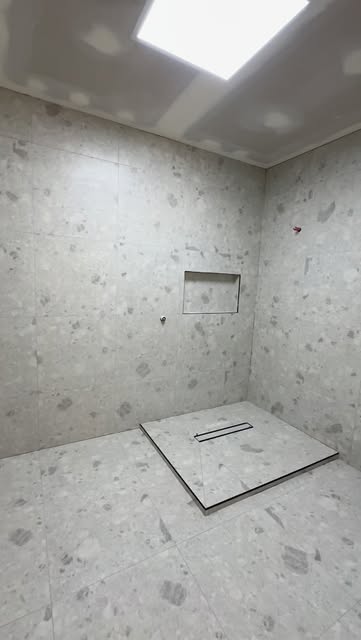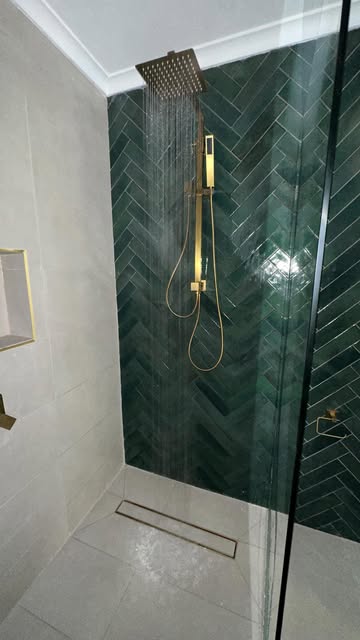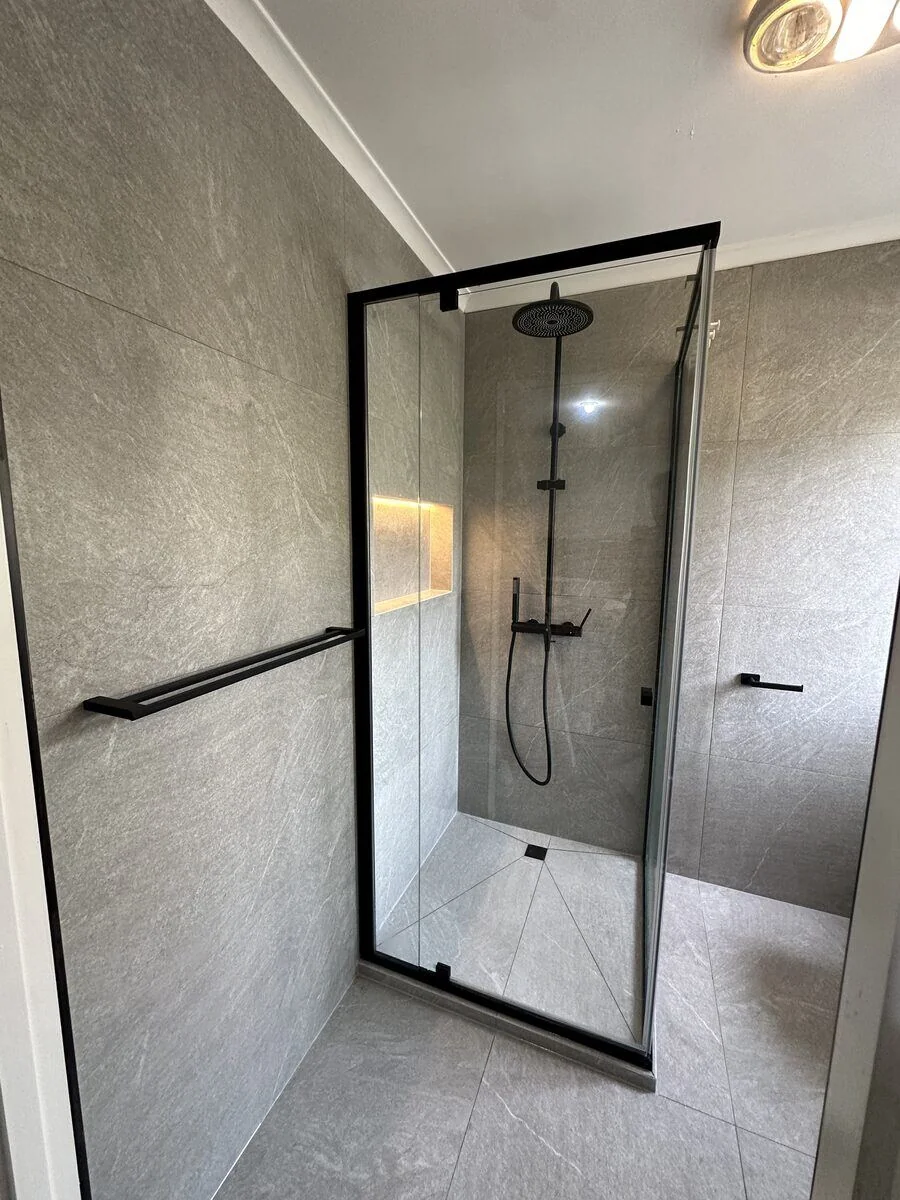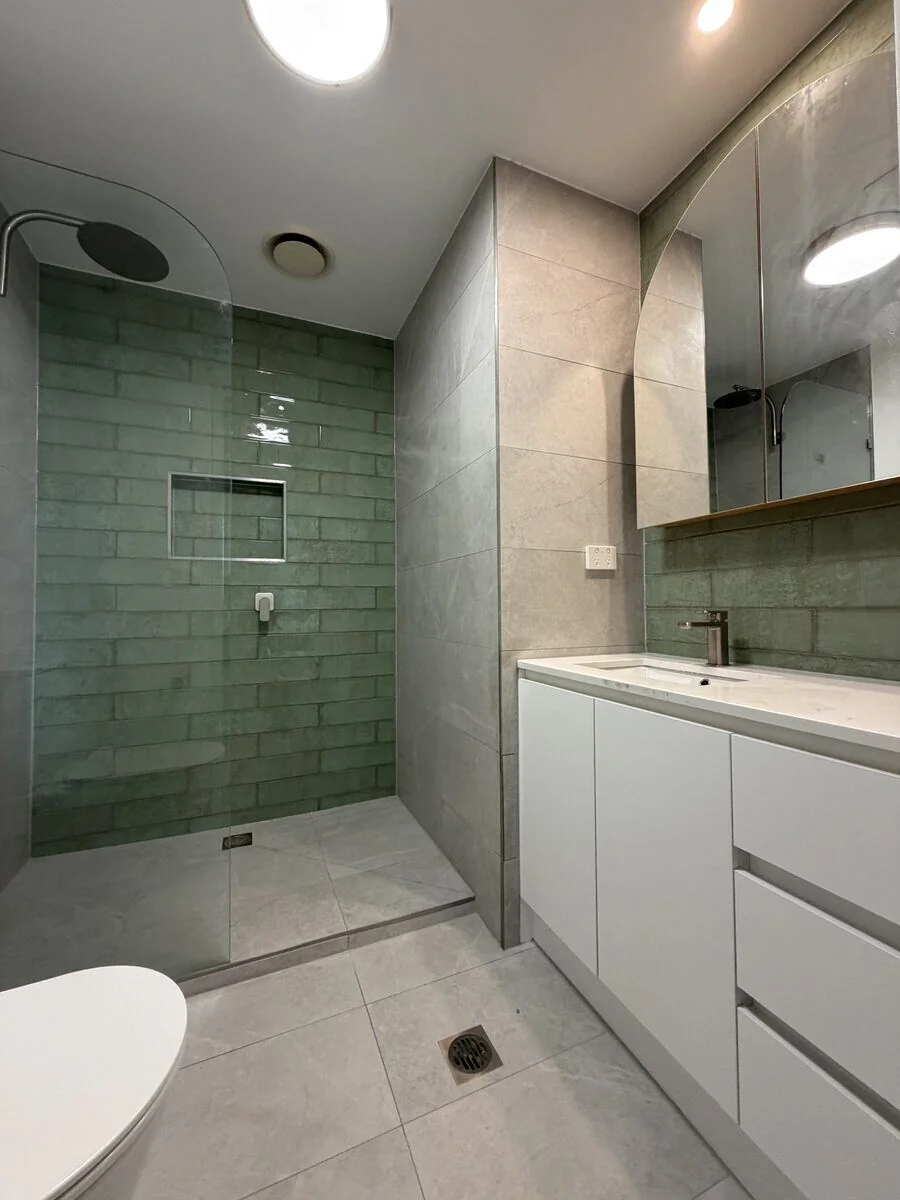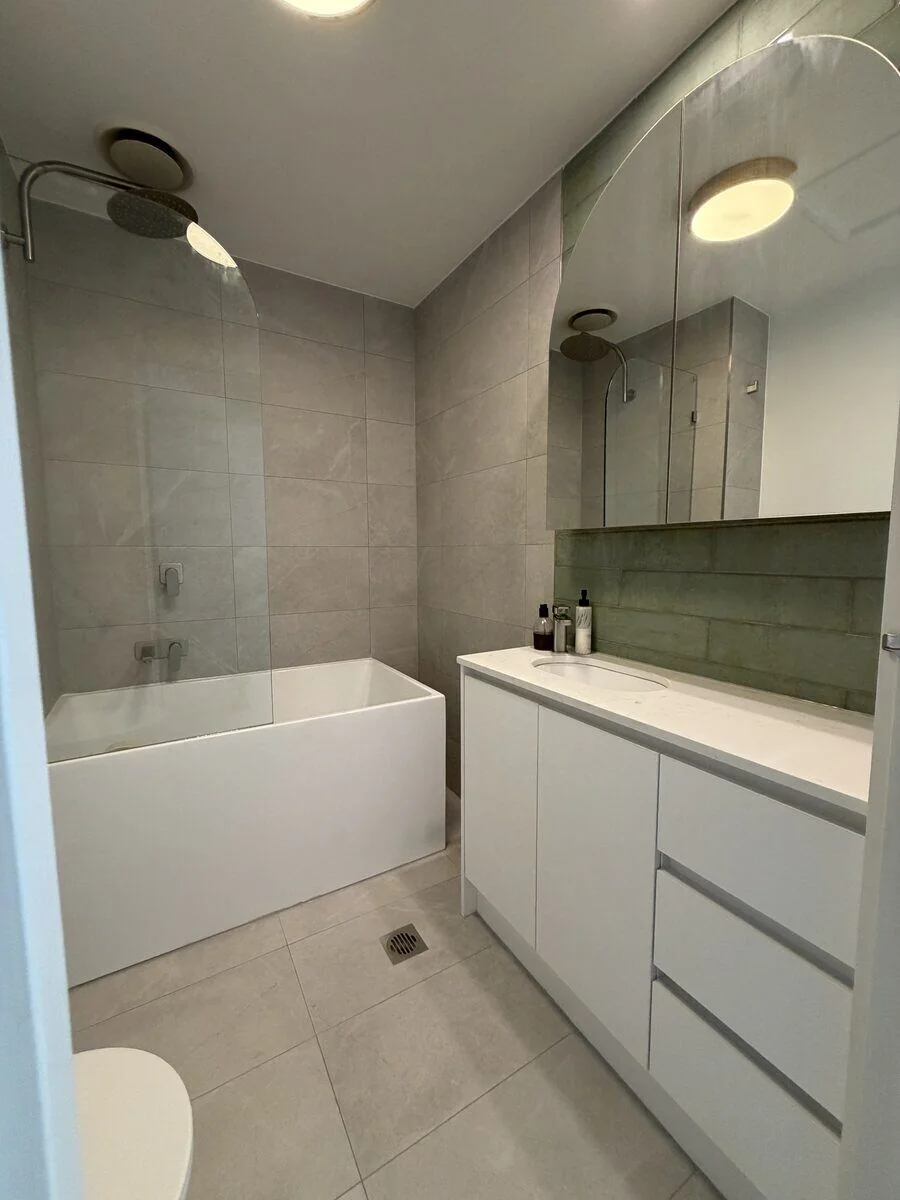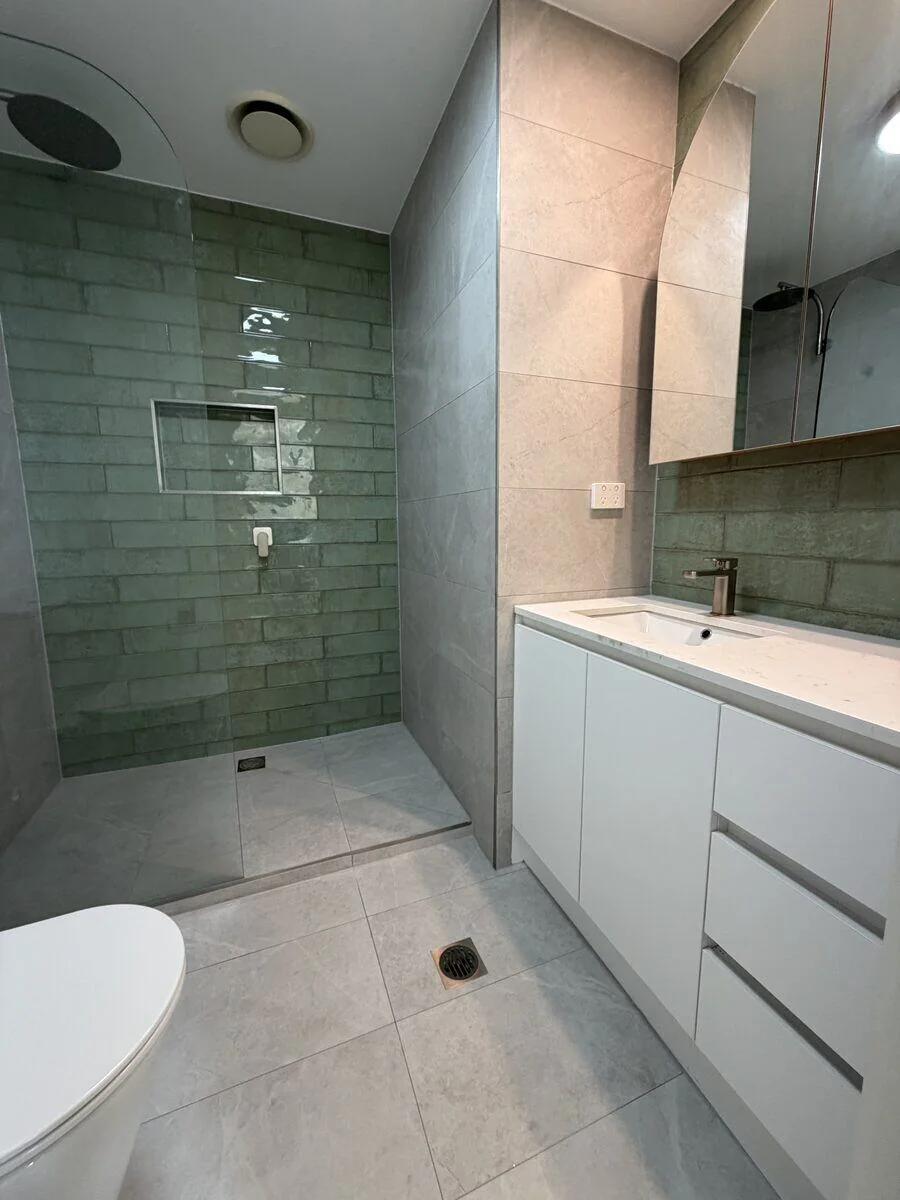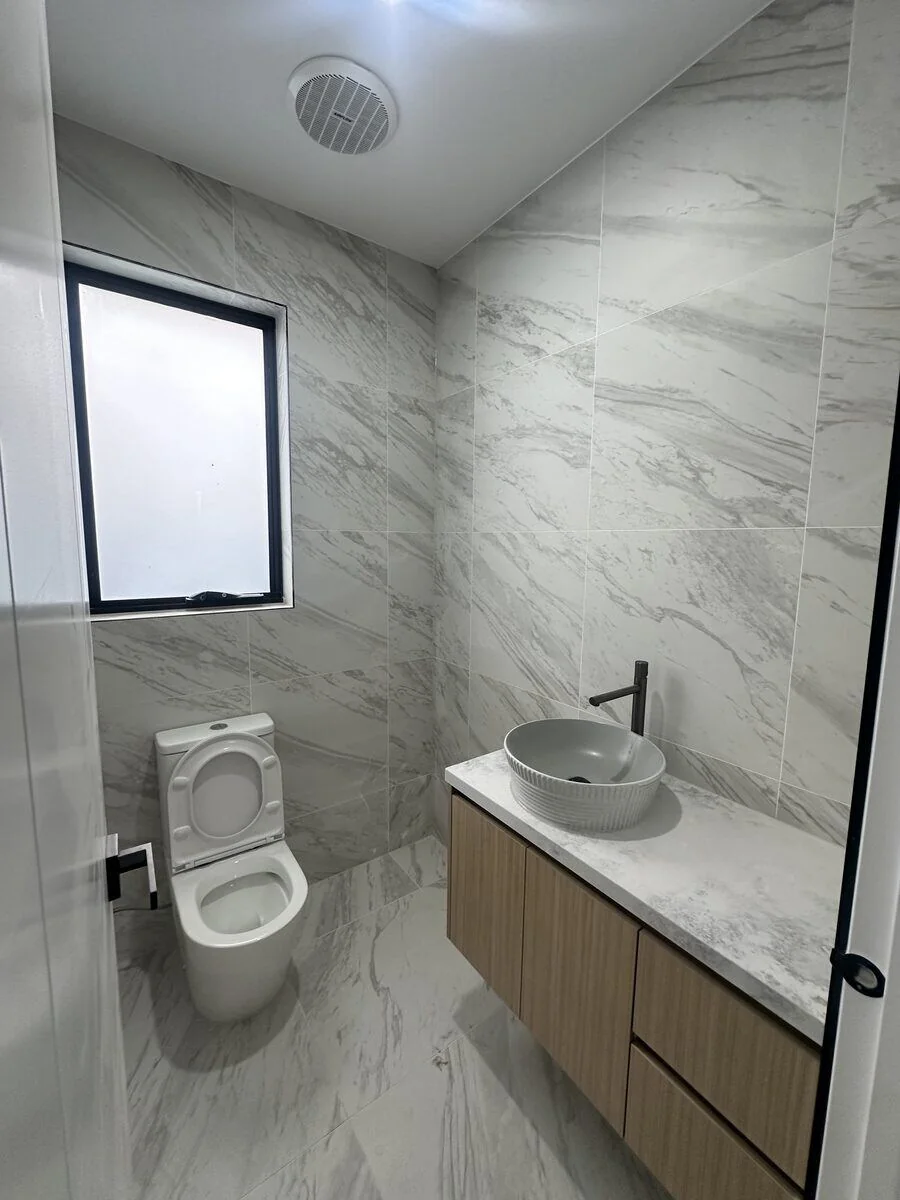
A bathroom renovation is a sequence. Skip a step and the room still looks finished for a month, then the ceiling below explains what was skipped. In Melbourne the useful sequence is consult, measure, quote, demolish, waterproof, tile, fit-off and handover. Project management is the thread that keeps those trades in order while you still live in the house. Prices still start from $14,000+ for essential work, but process is how that money turns into a certified wet area rather than a pile of fixtures. This guide is the homeowner view of each stage, including the daily updates that stop a quiet site from feeling abandoned.
Consult, measure and a quote you can hold
The consult is the conversation: how the household uses the room, whether a bath stays, whether the stack can move, and whether this is an essential bathroom renovation from $14,000+ or a higher brief. Bring constraints, not only a saved photo. One-bathroom homes, kids, pets and apartment rules belong in the first meeting.
Measure-up is the technical visit. The room is dimensioned. Access is walked — including the skip path in a tight street like those around Northcote cottages. Wastes, ventilation and electrical points are checked. Only after that visit is a fixed-price quote honest. A number before measure-up is a band.
The quote should list demolition, AS 3740 waterproofing, tiling, fixtures or allowances, services, programme and exclusions. If you also need a kitchen or laundry in the same dust event, say so now so the programme can couple. Do not add a laundry split after the bathroom membrane has closed the shared wall. Lock tapware and the screen before demolition if lead times are long; a process that starts the strip while fittings are still “being chosen” is a process that will stall in week three with an empty room and a closed shower.
Demolition day is when the house tells the truth
Protection first, then strip-out. The room is reduced to substrate so falls can be set. This is the morning hidden particle board, rusted wastes and missing membranes appear. A good process photographs the find, explains it, and prices a variation if the scope has truly changed. A poor process keeps tiling and hopes.
Family bungalows in Bentleigh are often straightforward guts of a 1970s suite. Terraces and apartments are slower because of carries and hours. Demolition is noisy. Neighbours should know the week, not the minute the grinder starts. If the building limits hours, the process already included that in the programme.
Waterproof, tile, then fit-off — in that order
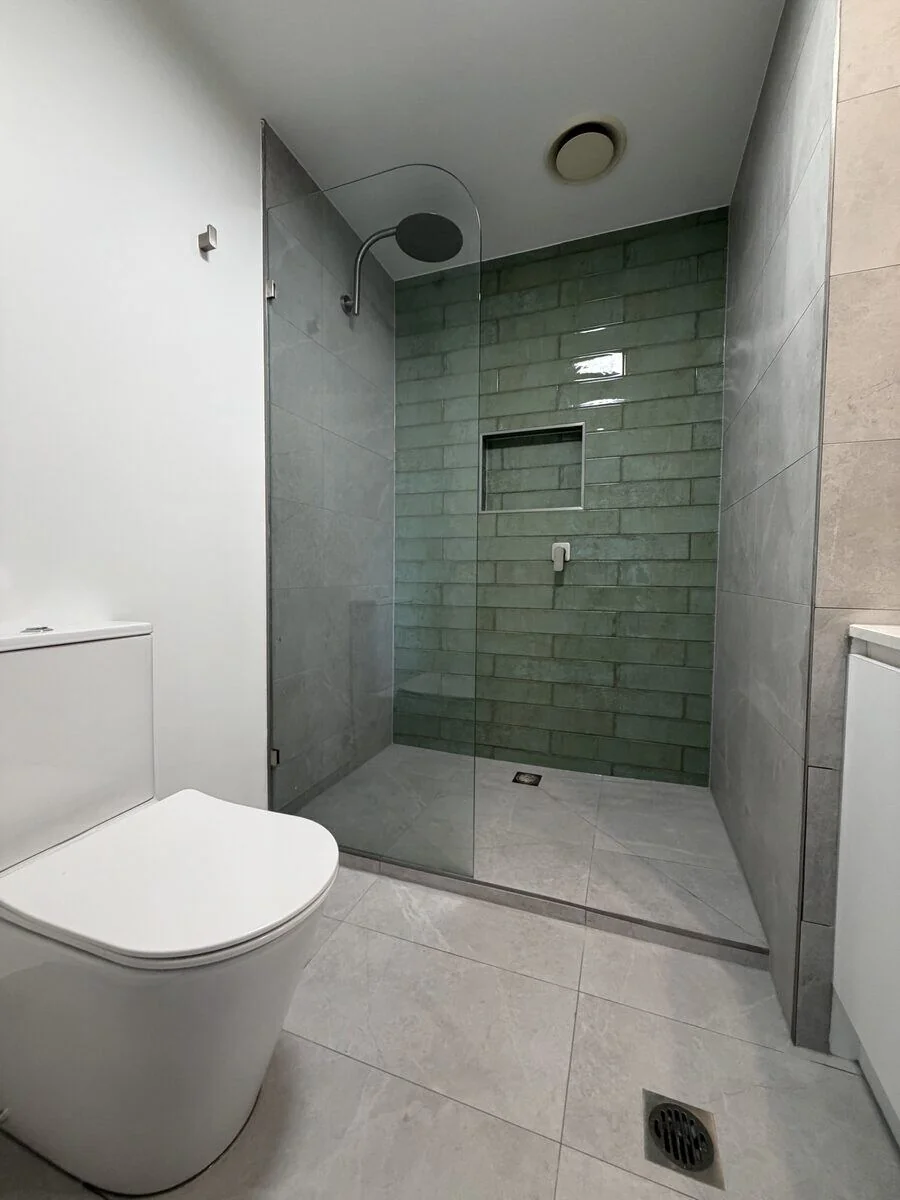
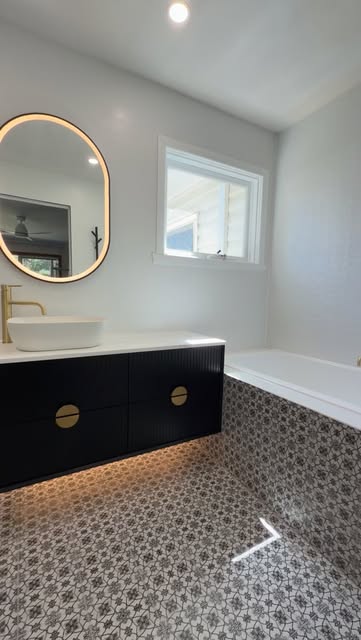
Falls and the hob or level-entry detail are set before the membrane. AS 3740 waterproofing is applied as a system and left to cure. Tiling follows. Fit-off — vanity, tapware, toilet, screen, rails, electrical trims — follows tiling and grout cure. Reversing that order is how screens are templated to the wrong opening and how silicone fails in week two.
- Waterproof — substrate, junctions, membrane, cure, certificate.
- Tile — walls and floor to the agreed layout, niche included if specified.
- Fit-off — fixtures that match the quote, not substitutes left on the kerb.
This is also when luxury spa items, if they are in the brief — underfloor heating, frameless glass, stone tops — have to already be in the sequence. They are not sprinkled on at handover. If they were not in the $50,000+ specification, they are a variation, not a favour. The homeowner’s job in these weeks is mostly to stay out of the wet area, keep the path to the skip clear, and answer finish questions the same day they arrive. Slow choices are the most common amateur delay in an otherwise tidy process.
Handover is a pack, not a handshake
Handover should include a finished room you can use, the waterproofing certificate, and a clear note of any outstanding item with a date. Walk the room with the project lead. Test the mixer, the waste, the fan and the door. Check silicone lines. If something is wrong, it is cheaper to name it on the day than three weeks later when the tiler is on another site.
Keep the certificate with the property documents. The next buyer will ask. The next insurer may ask. The next renovator will ask. Process that ends in a photo on a phone and no paperwork is incomplete process. If a touch-up visit is booked, put it on the same calendar as the original programme so the silicone and screen adjustments are not left to drift into the school holidays.
Daily updates are part of the job
A bathroom without a daily note feels longer than it is. You want to know whether today is cure, tile or a supplier delay — not discover silence and invent a disaster. Updates can be short. They should be true. If the membrane needs another day, say so. If the screen is a week out, say so while the vanity can still be stored cleanly. A photo of the room at knock-off is enough; you do not need a marketing reel. You need to know whether tomorrow is a trade day or a chemistry day, so you can plan showers and parking.
Pristine Renovations runs that sequence Melbourne-wide: consult, measure, fixed-price quote, then a project-managed site with licensed trades, VBA registration and AS 3740 waterproofing on the wet area. Call 0416 394 240 when you want the process owned by one builder, not assembled from four casual numbers on a fridge.
Next step
Measure-up, then a fixed price
Photos help us prepare. The number comes after we have seen the room. Call 0416 394 240 or use the form — licensed, VBA registered, Melbourne-wide.